

Lifelong learning (LLL) is a worldwide trend. In this webinar of the Observatory of the Institute for the Future of Education of Tecnologico de Monterrey, our expositors highlighted the Edu Trends Report: Lifelong Learning created by the Observatory. In this session, we heard how accelerated technological, social, economic, and environmental changes demand continuous training of professionals to integrate and remain current in the labor market. But lifelong learning is not just about learning skills for work. An intriguing fact shared in the session is that life expectancy is increasing, meaning if we are lucky, our senior years will be longer. Thus, we will need the necessary resources to live well through this period, including economic means for a decent livelihood, medical services to maintain balanced physical and emotional health, flexible work, and up-to-date educational training with learning opportunities to adapt to the future changes we must face. This topic and many examples were explained by Karina Fuerte, Editor-in-Chief of the Observatory, Esteban Venegas, Director of the Observatory, and Andrés García Barrios, writer and self-taught communicator on educational issues.
Given this scenario, it is clear that learning is not exclusive to a specific stage of our lives or the school education we receive when we are young; the webinar participants commented that we must be lifelong learners with access to education. Lifelong learning opportunities are vital to improving older adults’ physical and mental health, well-being, safety, and social participation.
“Learning begins the day we are born and continues until our last breath.” -Karina Fuerte
Lifelong learning and active aging
The aging of the population is a global phenomenon. According to the UN, preparing for the aging of the world’s population will be essential to ensure achieving the Sustainable Development Goals (SDGs) included in the 2030 agenda. Global longevity impacts seven of the 17 SDGs: 1) No poverty, 3) Good health and well-being, 4) Quality education, 5) Gender equality, 8) Decent work and economic growth, 10) Reduced inequalities, and 11) Sustainable cities and communities.
In OECD member countries (Organization for Economic Cooperation and Development), life expectancy has increased over the last 50 years, reaching an average of 81 years. This positive extension of life has some implications for which we must prepare, for example, the lengthening of work life or retirement periods. Therefore, it is essential to have a healthy physical and emotional aging that enables us to resolve and satisfy all our needs at this stage. Education is fundamental for staying active and, importantly, having life purpose and meaning for emotional health. Society must prepare to face the challenge of an older population, seeking its integration in all areas and leveraging all the experience and knowledge of its older adults.
According to the United Nations Population Fund, UNPF (2024), one of humanity’s most outstanding achievements is that people live longer and healthier, noting the increase in people over 60 years of age. Therefore, flexible employment opportunities and lifelong learning are required so that older people can function in society and remain in the labor market if they wish or need it. Thriving economies cannot afford to do without their experience and expertise.
Edu Trends Report on Lifelong Learning

In the webinar, Karina Fuerte presented the Edu Trends Report: Lifelong Learning, created by the IFE Observatory. This report is a journey through the history of lifelong learning, its origins, revisions, and transformations over several decades. During the webinar, Andrés García told us that the concept of lifelong learning is recent. Therefore, the report includes a critical glossary of terms associated with lifelong learning that allows a deeper understanding of this concept and eliminates the ambiguity of the multiple terms that describe it. He also invited us to consult the universities listed in the directory with an inclusive approach to older adults. Moreover, Karina explained that age-inclusive educational institutions are those that, in their registration process, allow people of all ages to register, have intergenerational study programs, or offer exclusive programs for older adults. The Edu Trends report contains the details of the requirements for a university to be age-inclusive.
The IFE Observatory open content for permanent training
Regarding the trend of lifelong learning, Esteban Venegas, the Observatory’s director, explained the IFE Observatory’s initiative and its relationship with lifelong learning. He also shared the different free products created to support teachers worldwide in improving and enriching their daily practices.
The IFE Observatory is a unit dedicated to analyzing and disseminating the latest educational trends at the intersection of innovation, technology, and education. It is also responsible for creating free educational resources in Spanish and English with open access.
Free educational material created by the IFE Observatory
- Newsletter. It is the primary Latin American newsletter on educational innovation (Espacios de Educación Superior, 2023). It shares articles and news about education, innovation, and technology weekly.
- Edu bits are articles describing pedagogical experiences and best teaching practices. They are open to all teachers worldwide.
- Edu Trends. Free reports that address the analysis of educational trends having the most significant impact on education.
- Webinars. These are free online conferences with experts in educational innovation, accessible from anywhere worldwide.
- Dialogs. Live meetings with experts in educational innovation from Tecnologico de Monterrey, the Pontificia Universidad Católica del Perú, and the Universitat Oberta de Catalunya.
- IFE Insights Reports. Reports on relevant educational issues to administrators in academic institutions, public policymakers, and others interested in educational transformation.
- Podcasts. Interviews with international experts in educational innovation (only available in English).
The Observatory has a broad selection of free content. We invite you to learn about all the content through our site observatory.tec.mx and subscribe to the newsletter. You can also follow us on our social media pages: Facebook, YouTube, LinkedIn, and X.
Replay this webinar. If your native language is not Spanish, you can turn on YouTube Instant Translations with webinar subtitles. To activate them, select the Subtitles option on YouTube (the subtitles are in Spanish), then choose Configuration ->Subtitles -> Translate automatically, and select your preferred language.
About the Presenters

Karina Fuerte Cortés
Karina is the Editor-in-Chief of the Observatory of the Institute for the Future of Education at Tecnologico de Monterrey. She writes and edits the Observatory’s weekly newsletter, which has more than 217 K subscribers globally. She has a degree in Communication Sciences from Tecnologico de Monterrey and a master’s degree in Humanistic Studies.
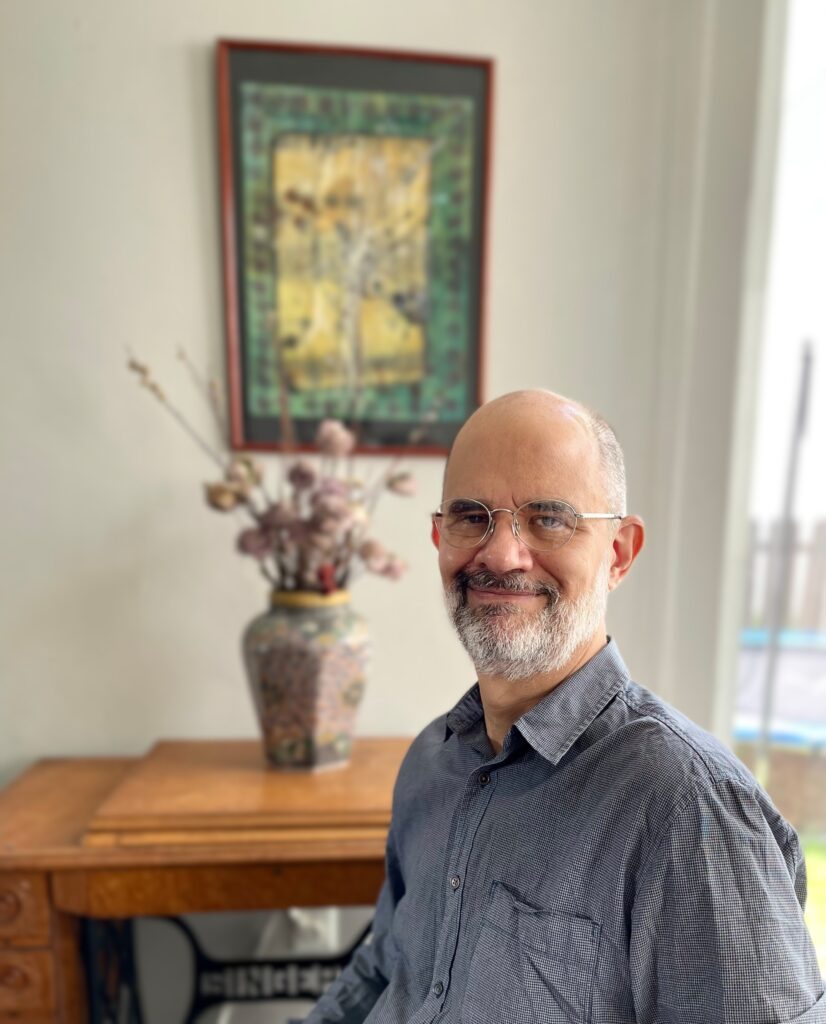
Andrés García Barrios
Andrés is a writer and self-taught communicator on educational issues. He co-created the first Universum Human Biology Class (at UNAM) and the series of didactic novels Tryptophanite. He is also a playwright and director of scientific theater and a collaborator of the magazines Newsletter/Observatorio (TEC), Ciencias (UNAM), Casa del Tiempo (UAM), and Tierra Adentro (Secretary of Culture).
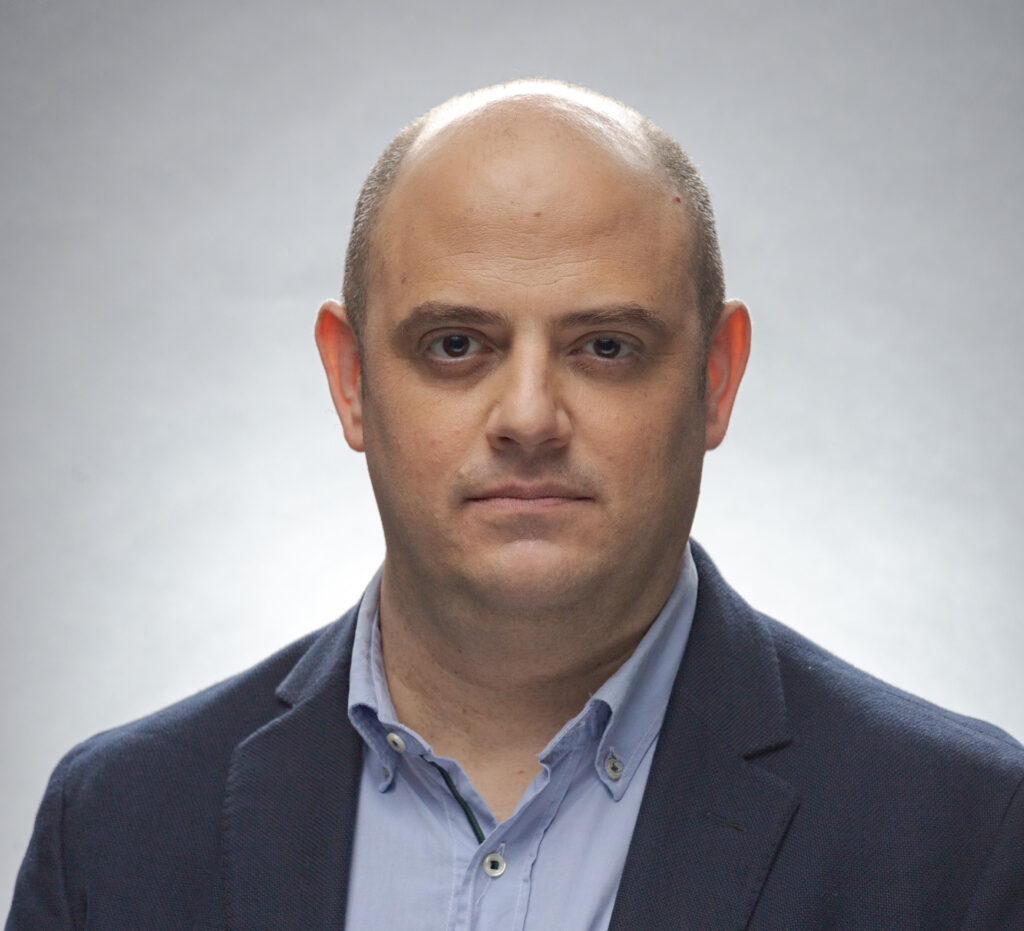
Esteban Venegas Villanueva
He is the director of the Observatory of the Institute for the Future of Education at Tecnologico de Monterrey and a professor in the bachelor’s degree program in Educational Innovation at Tecnologico de Monterrey. He has more than 20 years of experience in the field of education.
Translation by: Daniel Wetta