

Who would have thought that reading is trendy nowadays? In an era where screens dominate daily life, people still want to discover new worlds, characters, and ways of thinking through reading. It is surprising to see how this industry, which for many years was in decline and was even considered to be extinct over time, has been reborn thanks to popular social networks such as YouTube, Instagram, and TikTok.
It is well known that social media, especially TikTok, dictates the current trends. Through them, people share and create content across large communities where they celebrate what they relate to or like, such as celebrities, fashions, lifestyles, and more. BookTok, one of these large groups, has grown exponentially and revolutionized how publishers promote their books and how readers consume them, and currently has 56.4 million posts tagged as #BookTok.
The BookTok community experienced significant growth during the COVID-19 pandemic, as many people began creating videos sharing their opinions on their favorite books or those they didn’t like and engaging in reading challenges, among other activities. However, while this type of content sharing can motivate many people to form a reading habit or seek recommendations on what to read, communities like BookTok can also be a double-edged sword when members fall prey to its downside – the promotion of consumerism and questionable behaviors.
Reading: more than a habit, a personality
In addition to the entertainment, emotions, and learning experiences that reading can grant, many BookTok users take it a step further and even consider it a lifestyle. It is no longer just about a book’s content but also about everything related to reading, such as merchandise, reading habits, and reading challenges, among other things.
Browsing through the posts in the BookTok hashtag, we can find book reviews and recommendations that encourage us to read something new, but there are also ones that focus more on the superficialities of being a “reader.” For example, in book haul videos, users showcase large amounts of books they have bought and plan to read eventually. People are sorting through their vast personal libraries, displaying expensive, special editions of particular books and many extravagant accessories that some consider indispensable for reading. But why is there so much presumption with books?
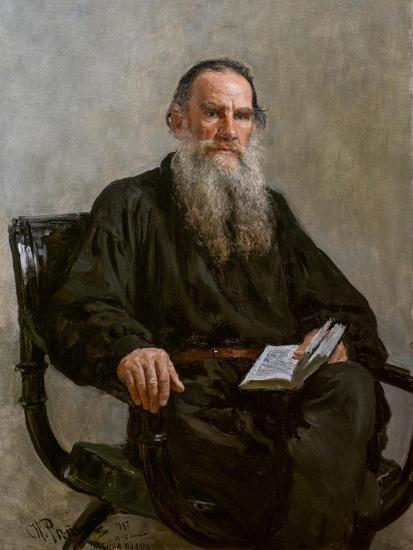
Books have always been associated with intelligence and wisdom. For example, looking at the following painting, regardless of the man’s clothing, we would quickly assess him as a clever person of high intelligence simply because he has a book on his lap. We would not be wrong – this person is the famous Russian writer Leo Tolstoy.
Flash-forwarding to modern times, in a video posted on a YouTube channel that showcases tours of celebrity homes, actress Ashley Tisdale showed a bookcase full of books and confessed that a day before recording her video, she bought around 400 of them for decorative reasons, realizing that the books would add an interesting and intellectual touch to her home.
When model Gigi Hadid was spotted with The Stranger by Albert Camus, simply carrying a book was enough to catch fans’ attention. I do not doubt that she enjoys reading. Still, it is a reality that many celebrities hire a celebrity book stylist.
Why would such a profession exist? As mentioned above, books are associated with studiousness and intelligence, so highlighting yourself as someone who reads is positive for your image. It is even possible to define your personality through the content you read. Simply showing a book cover can be enough – holding a book speaks loudly about someone’s “personal brand,” considering its complexity, ideals, and themes.

The same can be said for people who showcase their extensive book collections on camera, proclaiming how many books they have read in a specific timeframe; many such content creators claim to have read up to 100 books in a year. These claims of consumptive reading can lead many to perceive this as the norm for the average reader. However, it is essential to note that reading this amount of books is common for people who study, must read as part of their job, or have enough free time to enjoy them. Nevertheless, these individuals comprise a minority of readers and do not represent the norm.
Moreover, a study conducted by The Conversation concluded that people from Generation Z or Millennials do not consider themselves readers because they do not read many books or do not upload content related to literature.
The number of books BookTok influencers claim to have read should be taken with a grain of salt. Some content creators have been criticized for complaining about a book that “has too many letters,” and others for reading only the dialogue or reading diagonally to read faster. These trends prioritize speed to consume as many books as possible instead of understanding, analyzing, and enjoying them.
This is why comparing themselves to these influencers can be detrimental for people who enjoy reading or want to establish a reading habit; they may feel inadequate for not having many books or the latest accessories or for failing to complete a reading challenge that others may accomplish. BookTok can create the impression that being a reader means having more books, reading fast, and interacting more in this community.
Algorithms and authors: Major influences
Algorithms have proven to be an essential part of social networks, keeping users hooked, and many content creators rely on them to increase their views and followers. This refers to influencers who read specific trending books to appear more often on other users’ homepages and thus stay relevant. It means that many creators will have to read popular books despite not being their preferred genre, or they may even distort their opinions to suit the algorithm and avoid losing followers.
Moreover, the role of writers has undergone significant changes. Previously, authors only had to write, and publishers were responsible for marketing their books, but the involvement of authors in BookTok is now essential for the success of their literary works. Dynamics have changed, and reading a book for many translates into the community and connections built around a book, which is “[…] immediate, unfiltered, and deeply personal. Authors don’t just market their books; they build communities.”
What was previously marketed through interviews on television or in magazines must now be done through social networks, where writers have the space to engage directly with their readers, express their ideals, and discuss their work more in-depth.
What about the book industry?
Social networks are very visual, so owning the most books or having the most interactions in a reading community makes you a better reader, which is far from reality. However, considering BookTok’s enormous public community, many publishers closely follow and support it, mainly because BookTok is a community that significantly increases bookstore sales. For example, the famous American chain Barnes & Noble, which had been declining and closing stores for several years, opened 57 branches in 2024, and they plan to open 60 more stores in the United States in 2025. This is reflected in bookstores today, thanks to the popularity of BookTok, which has led to an increase in book sales. Most bookstores now have display tables or sections labeled “recommended by BookTok.”
Additionally, because TikTok is a highly visual platform, the demand for aesthetically appealing books has also increased; consequently, attention to cover designs, reprints of classics, and alternate versions of a single book has risen significantly.
Although classic titles such as Wuthering Heights, Pride and Prejudice, and The Great Gatsby have been revitalized thanks to this community, the romance and fantasy genres for young adults have predominated in this reading boom. The resonance of the latter types of books with new generations has been so great that many publishers seek to quickly publish more novels with these themes, even though the plots may be repetitive. Furthermore, many fast-paced production books for quick consumption have reduced structural complexity. They tend to be more action-oriented, incorporating moments of tension to keep audiences engaged and entertained.
Additionally, the speed with which publishers seek to bring these new additions to the market often means that the quality of the books is neglected. This BookTok user notes that many new books frequently contain writing and grammatical errors, as well as too simplistic plots. In this Reddit forum, users discuss the poor quality of the books’ printing, which has poorly cut pages, bad text fonts, and even missing chapters, among other significant errors.
The popularity of fantasy romance books among BookTok readers has made such a massive impact on the publisher 8th Note Press (which belongs to ByteDance and also owns TikTok) that it’s planning to start publishing and selling books of this genre due to the great demand for them on BookTok.
So, what defines a reader?
Despite BookTok’s negative aspects, the positive ones outweigh the bad. This network has encouraged reading among newer generations and has created a vast community that promotes friendship and reading through its recommendations within the platform. Although many may complain about the literary genres that the platform promotes, or say that “literature is dying,” it motivates people who probably had not considered reading as a hobby. New readers drawn to these types of books and novels may find them to be a stepping stone for further developing their tastes and exploring new genres.
In my opinion, a reader is a person who learns and/or enjoys reading books, blogs, news, magazines, and other media, regardless of the literary genre. A reader does not perceive reading as a chore or annoyance but as a means to an end: for entertainment, to be informed, and to gain more knowledge, among other things. A reader is not defined by the number of books they have or read or the reading communities they join.
Everyone has a unique perspective on reading. Some people read a book and donate it, others make notes on almost all the pages and create content for their networks, and still others treasure each reading and build their personal library over time. However, one thing is obvious: quantity is the least important defining factor.
Reading a book in a month or a day doesn’t matter; what matters is enjoying the journey. Remember that quality will always trump quantity. What’s truly enriching is immersing ourselves in new stories and characters, having an enjoyable time, and, most of all, knowing that you’re reading only for yourself and not others, whatever your goal.
Translation: Daniel Wetta