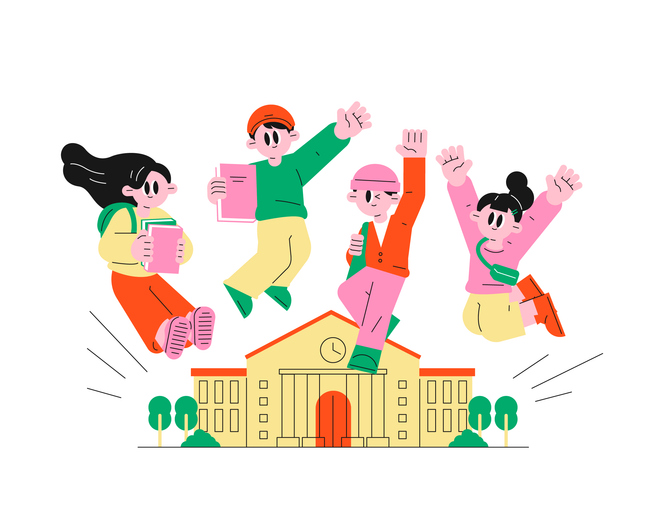

University exchange programs expand students’ global vision through the discovery and experience of new worldviews, developing their competencies and abilities that, perhaps otherwise, would remain dormant.
All students yearn to venture to another country, have incredible experiences, learn about other cultures, taste new foods, and acquire knowledge with different perspectives. It takes approximately one year to plan such a “journey of a lifetime,” put the necessary papers in order, complete all the particular requirements, and, finally, become an exchange student.
However, no procedure prepared academia to cope with the arrival of COVID-19 and the changes that would have to be made. Not even the most cautious could have foreseen that, overnight, the preparations for an entire year would be canceled in a matter of hours, thus taking away the opportunity to enjoy one of the best experiences a university student could have.
While some students will be able to resume their exchange plans later, when the pandemic is more controlled, others are missing their only chance to study abroad, as happened to me. In my case, I was willing to fall behind for a semester to go to Australia, study at the University of Melbourne to learn about the mental health programs that the university offers to see if something similar could be put together in Mexico. However, COVID-19 prevented me.
Student exchange programs were canceled, and students already abroad were asked to return home if they wanted. Many plans were canceled entirely, while others were postponed. In the beginning, it was believed that the cancelations would be for a semester. It is not currently known how much longer the restrictions will last.
At first, student exchanges were expected to resume by January 2021. It was believed that the sanitation measures implemented and those imposed by the states would be sufficient. After all, however strict they seemed at the outset, specific actions were taken with the sole purpose of safeguarding people’s lives and safety. This was the case in Germany when the government reported that only international students who could prove that their studies could not be entirely done online would be eligible for visas. Thus, the temporary closure of certain borders and the closure of presential classes at most universities relegated student life to an online platform.
Despite all the stringent measures, uncertainty remains, as these attempts seem futile because the contagion continues. That is why universities have found the need to adapt to the present situation and cope as best as possible. An example of adapting is the University of Chile joining the Association of Pacific Rim Universities (APRU). This association represents 200 thousand academicians and researchers and more than 2 million university students and offers 60 online courses. Saint Ignatius of Loyola University (USIL) is not standing still, either. To continue training students, the university provides Online Academic Exchange Programs in collaboration with the University of Argentina Business School UADE, EAN University (Colombia), Ecotec University (Ecuador), the University of the Rosary (Colombia), Andrés Bello University (Chile), and University Corporation God’s Minute UNIMINUTO (Colombia), among others.
Although, at first glance, it seems that student exchanges are just an excuse to experience the “journey of a lifetime,” they are much more than that. “Going through an exchange semester adds an essential qualification in the training process. It becomes a ‘plus.’ There is an added value, academically speaking, but also culturally,” affirmed Óscar Dominguez, Executive Director of the Association of Colombian Universities (Ascún).
University exchange programs expand students’ global vision through the discovery and experience of new worldviews, developing their competencies and abilities that, perhaps otherwise, would remain dormant, such as empathy, responsibility, ability to adapt, and resilience, to name a few.
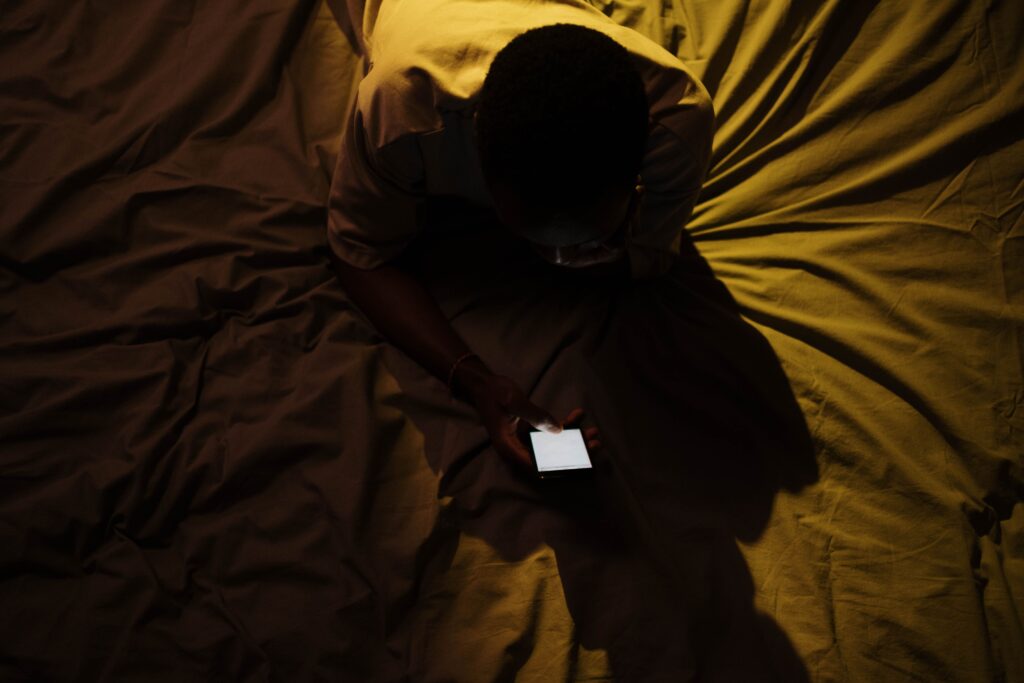
While virtual exchanges are not the same as living international experiences in the real world, they immerse students in different educational scenarios. The students can exchange opinions and happenings with other international students and learn from teachers whose teaching methods and worldviews are far from what they receive in the home university. Therefore, if you have the opportunity to make a virtual exchange, risk getting to know another student through a screen, even if it seems a tiny part of the world. After all, in the not-so-distant future, you will be able to apply for exchange again. If your case is like mine, and you think there is no second chance, let me tell you there is. Even those who are not college students can enjoy an international experience acquiring certifications, degrees, or even a master’s degree abroad.
Opportunities come and go. Even if our “only” chance seems to be gone, rest assured that new opportunities will arrive that will permit you to discover the world beyond the screen. However, until that time comes, let yourself learn what you can, through the means you have at your fingertips.
Translation by Daniel Wetta.