
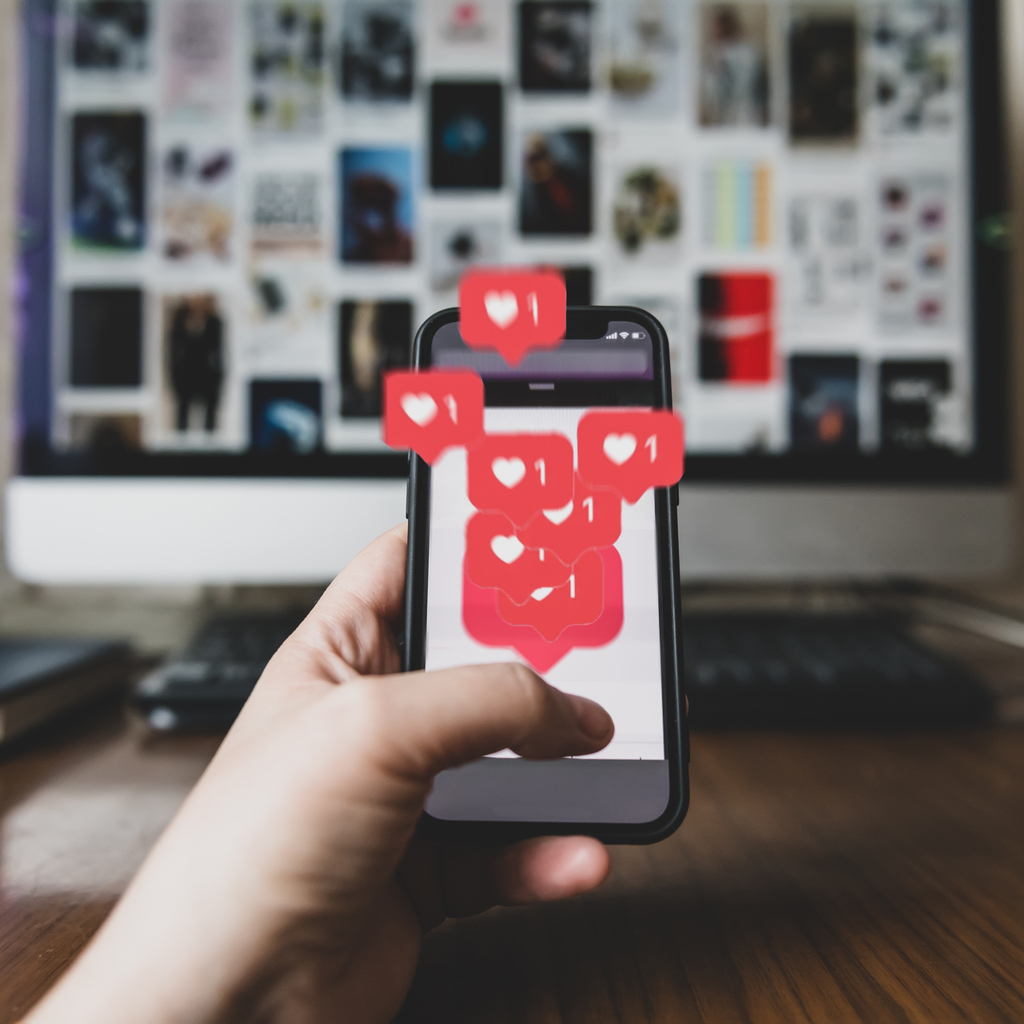
In the digital age, social networks open a window into our lives, linking the personal and the professional. However, some teachers increasingly unintentionally expose their students, who are often minors, a phenomenon that has triggered various debates about ethics and privacy and criticism for and against the so-called TeachTokers or Influencer Teachers.
Education in the Age of TikTok and Social Media
Since the pandemic, teachers have used social networks to disseminate their teaching practices and communicate with their students. Many of these platforms are helpful because, as F. Bracero explains for La Vanguardia, “[TikTok] can be a primary tool for educational innovations to increase student motivation and help them learn in a fun and different way.”
In addition, he maintains that short classes favor learning, which has even led the application to promote using hashtags such as #LearnWithTikTok, #TeachTok, and #TeachToker. In this way, teachers, students, and educational community members can access teaching videos. However, suppose you do not carefully monitor your account’s privacy limits. In that case, your information may find its way into the eyes of others.
During the pandemic, TikTok was a tool that helped transform education. Hundreds, if not thousands, of teachers, took to social media to share didactic videos in which they not only taught but did so in a funny or even sarcastic way. The teachers stepped forward and reinvented teaching through these different tools, making teaching all kinds of content possible. This gave rise to the emergence of professors who were also influencers. While these types of influencers with a cause might seem harmless, the truth is that they are not.
Professors as public figures
The influencer figures grow daily, so much so that some universities have already incorporated this career into their curricula. Whether the topic is cosmetics, fashion, video games, marble races, or countless other activities, anyone can be an influencer.
Many teachers share their day-to-day lives in the classroom or give small classes and recommend materials or strategies, which attracts the public’s attention, who become fascinated and interested in their anecdotes or activities. However, a TeachToker is one who, besides being a teacher, uses social networks to obtain more followers or an extra income.
It is more common to find posts or videos by teachers sharing funny anecdotes about their teaching work every day. However, it is also possible to find another type of content in which the teacher records their students directly, exposing them to Internet users.
Teachers as public figures: where is the limit?
Pablo Duchement coined the term TeachToker to indicate that teachers with the soul of influencers who are trying to increase their reach on social networks end up exploiting the students in charge of their social media.
Duchement, a computer court expert specializing in crimes perpetrated by and against minors in digital and/or school environments, notes that he observed an increase in cases related to “the voluntary exposure in private accounts that teachers made about their students.” Finding patterns, he decided to coin the term TeachToker, which he defines as “a teacher with the soul of an influencer who, in the quest to increase their reach in their second activity, exploited the personal accounts of their students whom they were simultaneously teaching in their first activity.”
The author highlights patterns and typical characteristics of teachers who become TeachTokers:
- A need for approval.
- Seeking prominence, attributing to oneself the achievements of their students.
- Pride in the achievements of their students but very ignorant about data protection and digital ethics.
- A need to expose their work on social media.
- Monetization of their personal accounts.
- Advertising activities.
What is the problem, then? As the team from Maldita explains (a medium dedicated to fact-checking): “It is possible to find teaching, dissemination, or amusing content strategies, but some teachers use their students to gain followers and popularity.”
Disclosure or exploitation?
In January 2022, the Government of Mexico encouraged teachers to use different digital tools and resources, including TikTok, mainly for short lessons to increase students’ participation and trust. The government even provided different hacks to use in the application. However, there is a skinny line between disclosure and exploitation.
At first glance, explains Alfredo Pascual, social media allows teachers to share their experiences, projects, and methods, connect with colleagues, and advocate for improvements in education. However, “the pressure to get more visits and better numbers leads to revealing episodes that should remain strictly private in the teacher-student relationship.”
Hundreds of teachers at different educational levels and subjects use social media to inform, teach, or communicate in merely informative and ethical teaching practices. However, there are cases in which the teachers’ accounts focus entirely on their classroom life, and the students themselves become the protagonists in the videos. Worse, as Duchement points out, beyond just exposing their students, many teachers have come to sexualize them and themselves.
Is exploiting a suitable word? In a way, student exposure becomes necessary for the teacher to maintain or increase interactions and popularity. The type and level of exposure can vary, ranging from imitating something that occurred in class to publishing school work or exams to recording the students’ voices or images. The time spent in the classroom making these videos, as academic Yusuf Kızıltaş explains, takes time from the class and, as fun as it may be for teachers and their students, this may also lose essential learning hours.
Risks to the privacy and security of students
The main risk of this practice is the failure to protect students’ privacy, as many teachers expose their students’ images, voices, or academic results without their express consent or, if applicable, their guardians’.
Throughout the world, there have already been cases in the public eye. For example, in Spain, complaints have been filed against teachers under the Organic Law on Data Protection; as Ignacio Zafra assures, one can be an educational disseminator or have a high presence on social networks without exposing their students. However, in Ireland, the Minister of Education, Norma Foley, has declared that “it would not be appropriate to make commercial content on school premises.”
We must remember that in many cases, schoolchildren are minors, so the publication of their images (to a greater or lesser extent) is a risk of exposing them to possible predators or other unnecessary threats. Social media exposure can have many negative consequences. However, it is essential to differentiate between teachers who share information and those who only expose their students’ information.
Maintaining Integrity in the Classroom
We must remember that students have rights under the law, and we, as adults, must respect them and protect their privacy. Exposing them in exchange for “likes” violates their privacy.
New teachers are digital natives; understandably, they often share videos with educational and motivating activities. Using ICT in education is not a problem but an advantage. The problem lies in ignorance or lack of knowledge about the risks of exposing people in our care (often without authorization).
Teachers can manage their social networks as they see fit, like others, whether they upload a video of dancing or photos on the beach. However, a significant difference lies in exposing their students, most of the time minors. Notably, we cannot point the finger at those who resort to this activity (using social media) in search of extra income, which is understandable in a world where the work and the teaching profession are in precarious positions. In the words of Rocío Rodríguez, “Educators becoming ‘influencers‘ is positive if it is done responsibly and ethically.” Some challenges must be addressed carefully; it is vital to maintain a balance with the things we publish on networks.
“Social networks can be valuable tools in education if they are planned and used appropriately. They can encourage collaboration, communication, and online learning. However, its implementation must be carried out considering the age, educational objectives, and privacy of students; in addition, teachers and students must receive adequate training. The selection of the platform and the purpose must be adapted to the educational level and the specific objectives of the program or course.” – Rocío Rodríguez
We cannot ignore the reality: the presence of minors on adult networks, even without bad intentions, attracts negative and dark aspects of the internet, causing unfortunate educational and social damage. Appropriately using social networks can favor teaching and learning quality and facilitate the exchange of didactic resources and experiences among peers. However, inappropriate use can threaten students and teachers themselves.
Translated by Daniel Wetta