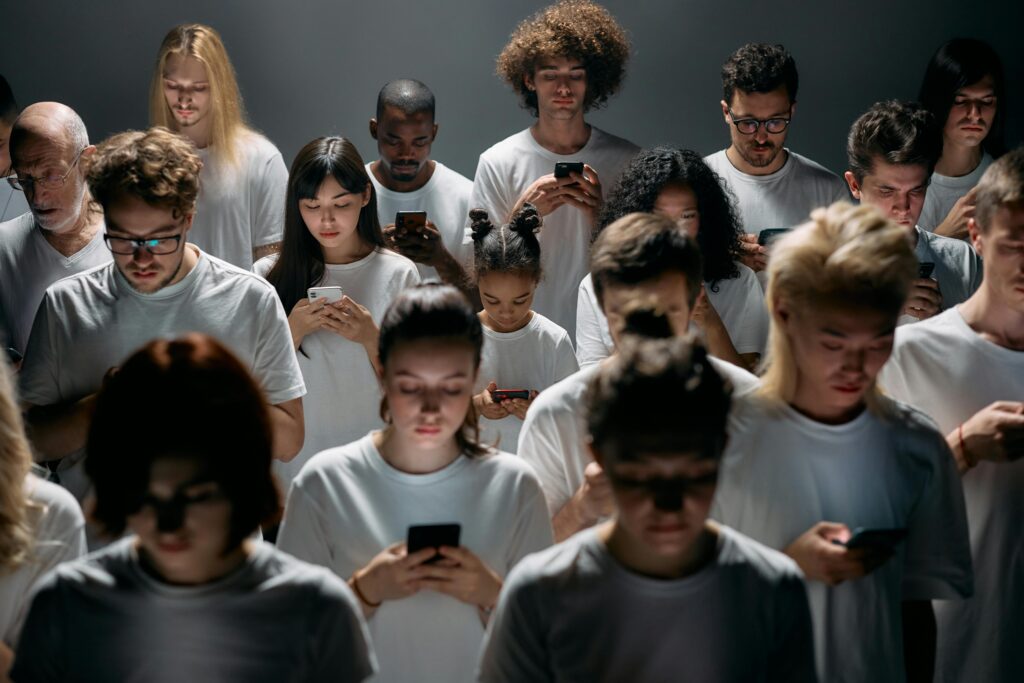

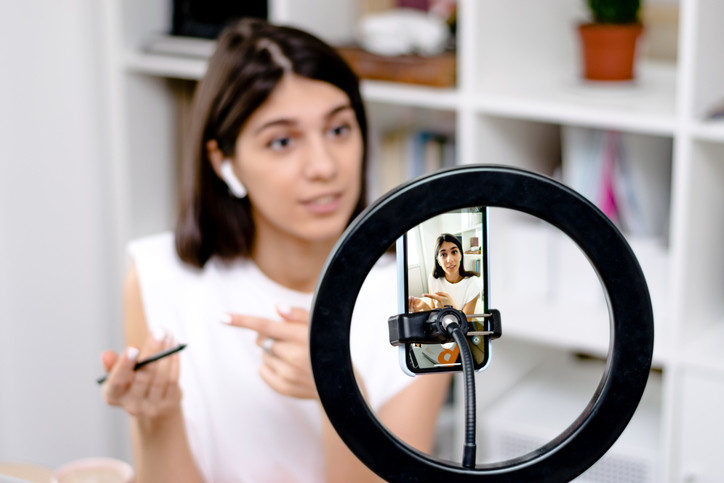
As described in a previous post, many people regard influencers or celebrities as close friends, a phenomenon known as a parasocial relationship. Although such feelings of connection have some positive aspects, they cause people to trust the influencers without first questioning the veracity of their statements or announcements.
The organization Save the Children surveyed 3,315 adolescents aged 14 and over in Spain, finding that “63% of Andalusian adolescents use social networks as a fundamental means of accessing information, second behind family and friends (74%), but more than other media like television (61%), online press (34%), radio (7%), and the print press (4%).” An interesting survey finding is that 12% of the teenagers surveyed considered content creators a reliable source of information. Still, this percentage increased to 71% when they considered them reliable in specific situations. Interestingly, 22% of boys deemed influencers reliable sources, compared to girls (6%).
On the other hand, the results of an investigation of influencers regarding the credibility of the information they share on their profiles revealed that they cannot be seen as reliable sources of information. UNESCO describes this survey, which included 500 influencers in 45 countries, as “the first global analysis of the motivations and practices of digital content creators and the challenges they face.”
Regarding how influencers decide what is trustworthy to share, 62% of respondents admitted to UNESCO that they “have difficulty assessing the credibility of the information they find online.” Forty-two percent of respondents stated that if the post they think of sharing on their profiles has many likes and shares, they consider it trustworthy. Another 21% relied on the trustworthiness of information if an acquaintance or friend shares it, while 19% thought the reputation of the author or organization that created the content. The report also concluded that creators generally do not use official sources when sharing information. The most common source was “personal experience/encounter,” the second was research from the creators themselves or conversations with people knowledgeable about the subject, and the third was traditional and non-traditional news sources.
The problem is that if six of ten content creators do not verify their published information, do their followers know? Do they do the task of verifying that the information they receive is accurate? Or do they only believe influencers because of the connection they think they have with them?
Manipulating information: the case of health influencers
While misinformation often comes from well-meaning people, it contributes to online deception and challenges social media accountability. Part of the problem is that misinformation spreads faster than accurate data because it combines elements of truth with emotionally charged narratives. A worrying trend is that some influencers distort information to confuse their followers, making their audience feel insecure and uncertain about who to trust. For example, various health-related content creators demonize particular products or ingredients to sell supplements or products.
For FoodFacts.org, an organization dedicated to combating misinformation through credible information backed by food industry science, the rapid spread of false or manipulated information “can damage trust, distort consumer choices, and even harm long-term health relationships.” FoodFacts highlights a prevalent example where health influencers exaggerate health properties, claiming that a detoxifying tea “cures diseases” or a diet promises rapid weight loss. Moreover, some blame Big Pharma for weakening public trust in science while strengthening confidence in themselves and the products they promote. Many influencers proclaim themselves “health experts” without the education or qualifications and present content as “educational” without verification by reliable sources.
For the medium The Conversation, which edits news and analyses based on research, social networks are not meant to inform. According to Professor Nir Eisikovits, social networks, instead, are designed “to capture the consumer’s attention for the benefit of advertisers. With slight variations, that is the business model of all platforms.” Eisikovits says that “controversial posts that generate strong sentiments capture users’ attention, hold their time viewing longer, and give advertisers better opportunities to monetize engagement. There is an important difference between actively consuming serious, well-analyzed information and being manipulated to spend as much time as possible on a platform.” This is even more obvious in the case of health content creators, who say controversial things about specific foods to create more engagement and get people to stay longer watching their videos.
How can this problem be counteracted? Through media literacy.
Research suggests this problem can only be alleviated by instilling media and technology literacy habits early on. This involves teaching young people how companies make money from social media, how algorithms shape what they see on their phones, and how different types of content affect them psychologically.
The Observatory published a piece in the past about how media literacy is essential for safely navigating the internet and avoiding misinformation. That article mentions five basic steps of interacting with the news: access, analyze, evaluate, create, and act.
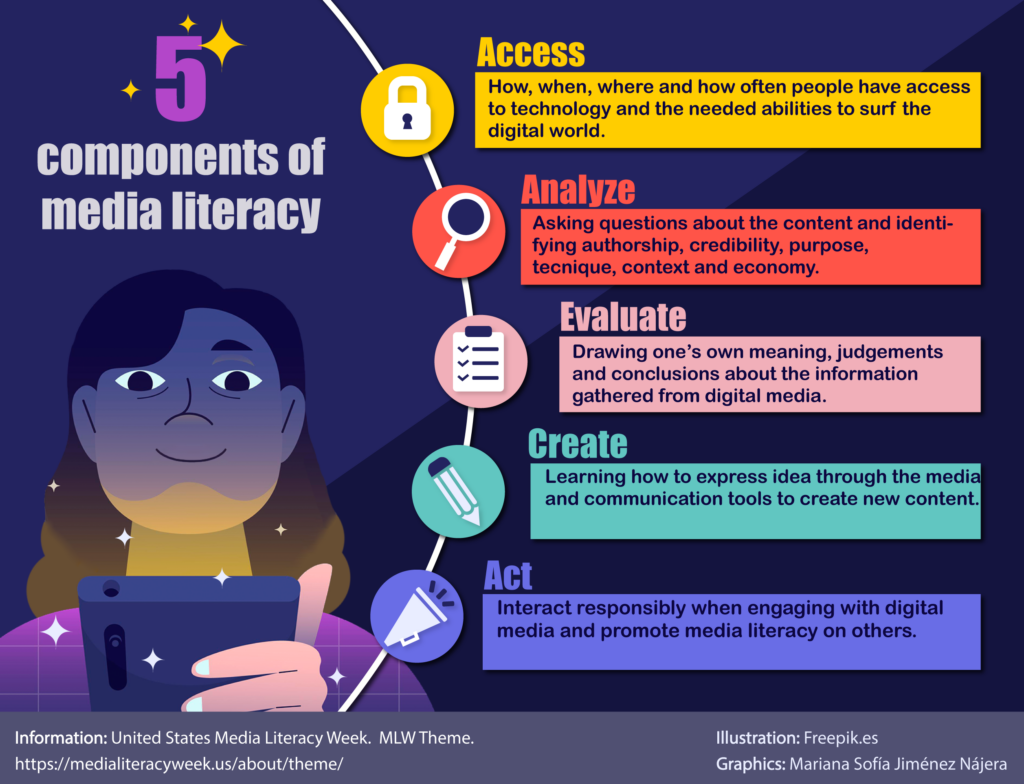
Not only “netizens” but content creators should be taught about the importance of media literacy because much misinformation often comes from them. Everyone must understand that parasocial relationships have become normalized, and many followers do not question whether their favorite influencer shares accurate information or not; they see it as reliable.
Alarmed by the number of content creators who do not verify the news they share, UNESCO and the Knight Center for Journalism in the Americas (USA) teamed up to teach a one-month course focused on this problem. Its main objective was to prepare these celebrities to deal with misinformation and hate speech and to provide them with a solid foundation in global human rights standards on freedom of expression and information. Media literacy experts and leaders worldwide created the content delivered.
This course, held at the end of 2024, was followed by 9000 people from more than 160 countries. During it, students learned how to search for information using various sources, evaluate and verify the quality of information, be transparent about their sources, identify, debunk, and denounce misinformation, and train themselves closer to journalism and traditional media to disseminate fact-based information.
The course went beyond teaching them the best ways of reporting; it also taught them the resources they have at their disposal, such as ways to report hate speech, something that a third said they had previously endured and ignored because they did not know they could report it. In addition, many were unaware of their country’s free speech laws, what regulations exist, and whether they must inform users regardless of whether their posts are sponsored or not, like in the United States and the United Kingdom.
About the course, Adeline Hulin, a media literacy specialist at UNESCO, said that some influencers were surprised that their work could be seen as informational journalism. The reality is that many content creators are unfamiliar with journalistic practices. They need to understand their impact, especially considering that a quarter of the 500 creators surveyed have close to 100,000 followers.
The fight against misinformation goes beyond fact-checking by content consumers. Influencers must also take responsibility and better inform their followers, encouraging critical thinking and prioritizing evidence-based information.
Translation by: Daniel Wetta