
In today’s society, characterized by immediate access to information and rapid content circulation through digital media, communicating knowledge helps bring scientific, technological, and humanistic advances closer to citizens. Beyond translating specialized concepts into accessible language, outreach plays a strategic role in building more critical, informed, and participatory societies. Thanks to the work of disseminators, researchers, teachers, and institutions committed to communicating knowledge, that knowledge transcends academic fields as a resource of public utility that supports informed decision-making, stimulates intellectual curiosity, and strengthens the link between science and society.
What is the dissemination of knowledge?
The dissemination of knowledge is the process by which scientific, technological, cultural, or academic information is transmitted precisely and understandably to people who are not specialists in a subject. Its main objective is to educate society through simple language and various means of communication, such as books, magazines, social networks, conferences, videos, and podcasts.
According to UNESCO, this popularization allows scientific discoveries and technological advances to be accessible to all, leading to a better-informed citizenry with a greater capacity to make evidence-based decisions.
While popularization faithfully recreates knowledge contextually for accessibility, it does not require modifications when communicated between specialist and collegial peers, according to Irma Lozada-Chávez. The latter communication establishes a symmetrical relationship between the communicator and the interpreter. But when disseminating, the one who communicates possesses “knowledge” that the one who interprets does not possess; it is communication between “non-peers.” The author points out that there are different terms to refer to popularization or dissemination; however, whatever name it bears, the intention is to “demystify science and make it present in everyday life.”
Why is it important to communicate?
Communicating knowledge allows scientific and technological advances to benefit society as a whole. When information remains only among specialists, its impact is limited. On the other hand, by communicating it clearly, more people can understand it, apply it, and participate in the construction of new ideas.
“The scientist must have information on how to communicate science; in scientific careers, information must be shared. Without the sciences, there is no future for humanity.” – Julia Tagüeña.
Knowledge communication has multiple obligations, including:
- Disseminating scientific and technological information in an accessible manner.
- Promoting continuous learning in society.
- Driving innovation through the exchange of ideas.
- Promoting collaboration among researchers, institutions, and citizens.
- Supporting decision-making based on reliable information.
- Bringing science and research closer to everyday life.
According to Norma Lazo, “ignorance pulls us into the masses that are easy to manipulate.” She points out that knowing about nature, animals, and even the stars allows human beings to be more empathetic and more capable of enjoying life, as we are “aware of how ephemeral it is and how tiny a space we occupy in the universe.”
Although, as Julia Tagüeña points out, science communication is a multidisciplinary and complex topic, it has changed substantially due to new forms of communication. The expansion of social networks has helped to overcome the so-called deficit model, based on the idea that the scientist has all the knowledge while the public lacks it; it has promoted a new dialogic model that democratizes scientific knowledge.
UAM Knowledge
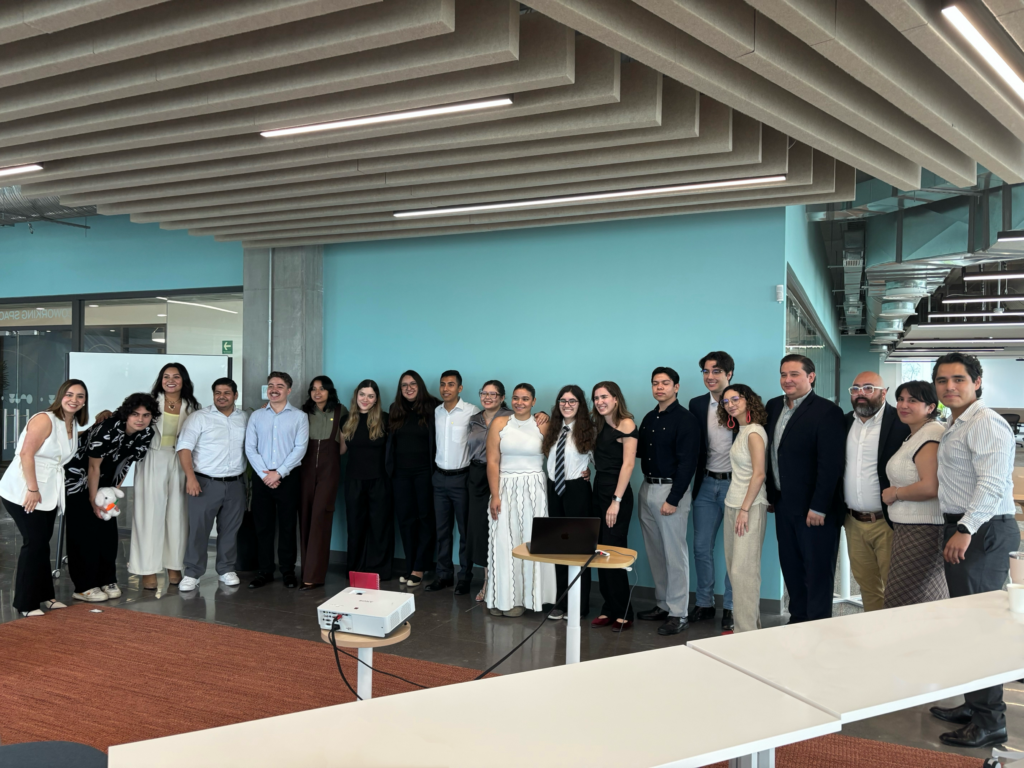
The objective of knowledge communication is to generate understanding, the exchange of ideas, and collective learning. Sharing university-generated knowledge with society is the mission guiding the work of Metropolitan Autonomous University’s Directorate of Knowledge Communication (UAM). Taking up this premise, the Directorate has developed a strategy to take research out of traditional academia and bring it closer to schools, communities, public spaces, and the media through accessible, participatory formats.
Katya Luna, a member of the Directorate’s management team, explains that the area evolved from being a space dedicated mainly to institutional management to becoming a team that designs dissemination strategies. The Directorate’s objective is to fulfill one of the university’s substantive functions: to give back to society the knowledge produced with public resources.
Source: UAM Knowledge
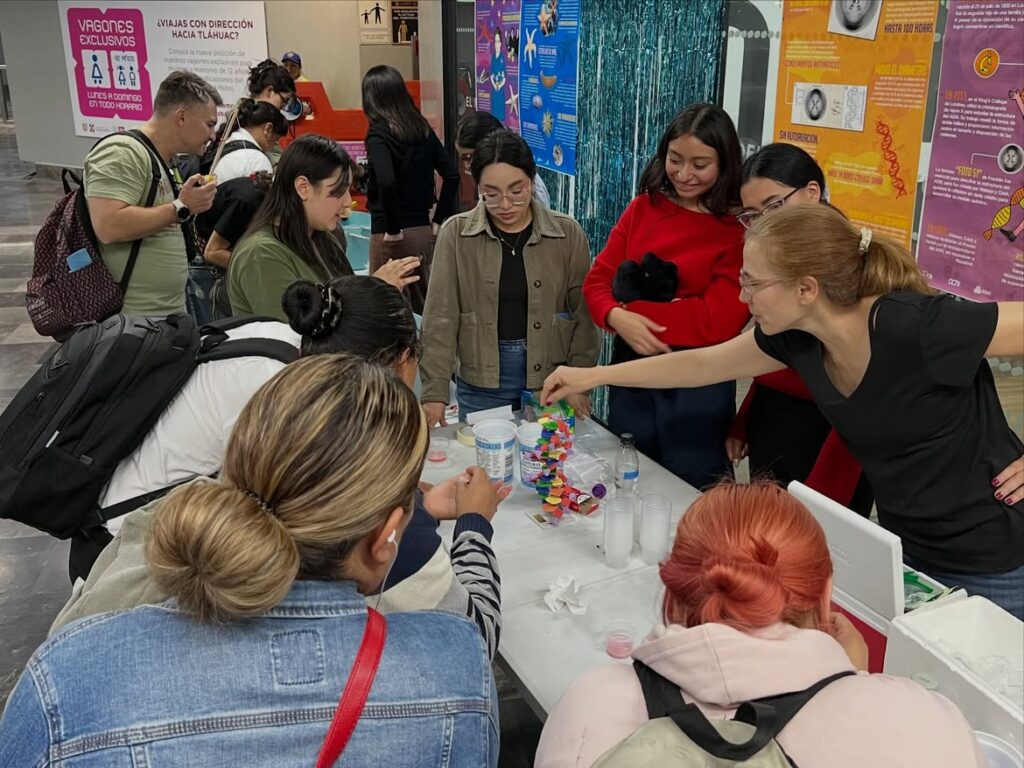
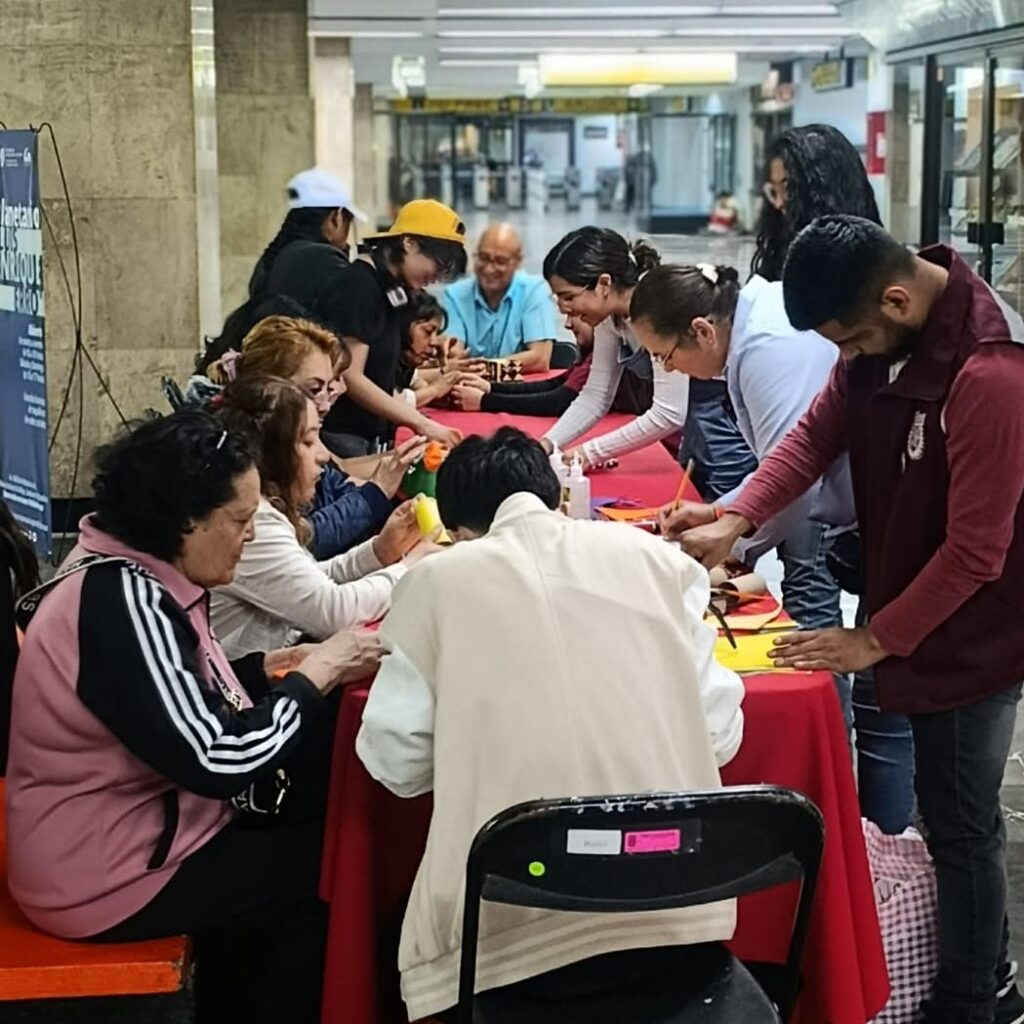
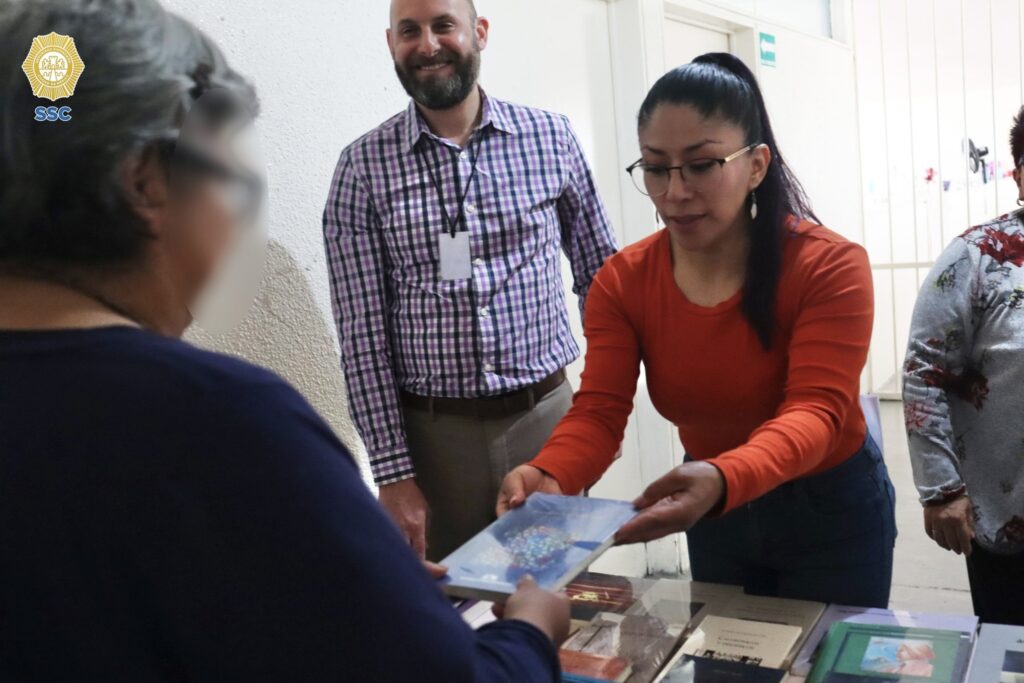
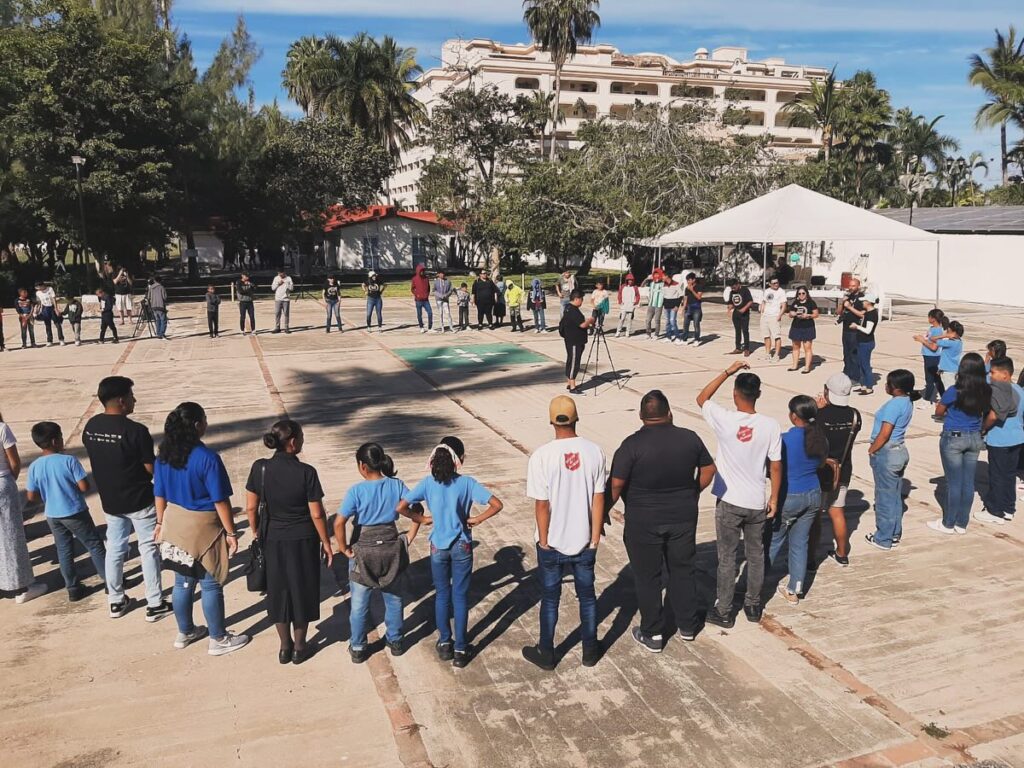
To achieve this, the management acts as a bridge between researchers and the non-specialized public, establishes agreements with other institutions, organizes the logistics of activities, identifies community needs, and builds collaboration networks comprised of academicians from various disciplines. It also seeks to facilitate the participation of specialists, so they can concentrate on sharing their knowledge while the management team takes care of the organization. However, Luna explains, the team did not want to limit itself to management work, but to actively participate through playful and participatory methodologies, so, in addition to organizing activities in schools, the metro, mayor’s offices, museums, detention centers, and other community spaces, it assists teachers, students, and specialists to translate their research into clear, understandable language. The challenge, Luna points out, is to translate the information so that everyone can understand it and relate it to their daily lives.
This strategy has made it possible to form disseminator communities comprised of professors, researchers, and students who, over time, acquire experience and autonomy to develop activities in different areas. Luna says that interest has grown steadily because participants themselves observe the impact of these initiatives and recommend new collaborators.
For management, communicating knowledge acquires special relevance in our present context of over-information and the circulation of unreliable content. More than transmitting data, the activities seek to strengthen critical thinking, help identify well-supported information, and show how research can contribute to solving real problems in communities.
This vision also implies giving back to society the results of research. Luna believes that knowledge loses meaning if it is limited to scientific articles or specialized publications. Therefore, communication must be a two-way process, in which communities not only participate in the research but also learn its results and can benefit from them. In this way, the management is committed to short and accessible formats, such as capsules, infographics, radio programs, and short-term face-to-face activities, which respond to current forms of information consumption. At the same time, the team explores tools such as artificial intelligence to optimize work processes, although it insists that these technologies should be understood as a support and not as a substitute for human judgment and sensitivity.
Source: UAM Knowledge
After five years of working in leadership, one of the main lessons has been the importance of listening continuously. Communication strategies get aligned with public response: If a format does not work, it is modified; if a community expresses new needs, activities are designed for them. This capacity for adaptation, together with the construction of alliances inside and outside the university, has made it possible to consolidate a model of knowledge communication that seeks to bring research closer to those who can convert the knowledge into tools to understand and transform their environment.
Management’s near-term strategy is aimed at incorporating artificial intelligence as a support tool that strengthens and optimizes communication processes, without displacing the fundamental role of human talent. The institution seeks to leverage this technology to streamline tasks, reduce process times, and improve efficiency, allowing the team to focus its efforts on activities that require experience, creativity, and critical thinking. However, it insists on conscious and responsible use of AI, which it recognizes as a complementary resource for the knowledge and different perspectives of the team members. These changes- the adoption of new technologies and the adaptation of their communication strategies and formats to emerging needs- are proposed while always preserving the value of human intervention in decision-making and content generation.
Source: UAM Knowledge
Communicating and disseminating knowledge in Mexico
The communication of knowledge is essential to bring science and the humanities closer to society, although defining its scope remains a challenge. As Sánchez-Mora points out, dissemination is a complex and dynamic activity whose conception varies according to the historical and cultural context. For some, it consists of translating specialized language into understandable terms; for others, it implies teaching attractively, informing clearly, and even reintegrating science into the culture. This activity is a communication process that evolves with the needs of society and with the production of knowledge itself, moving away from the static and stereotyped idea usually held of communication.
“Because all human beings have the right to have faith and believe in what they consider important for their spiritual development, but always assuming that their beliefs are contingent, and others have the right to their own beliefs, and this will only be achieved through science.” – Norma Lazo
In Mexico, this reflection acquires particular relevance. Although the country’s scientific and technological development has been slower than that of the major scientific powers, there is a strong academic community, composed of specialists from multiple disciplines who make significant contributions in the natural and exact sciences as well as in the social sciences and humanities. However, the social impact of these advances remains limited, largely because the knowledge generated does not always reach citizens effectively.
In such a scenario, dissemination must cease to be a complementary activity and become an essential component of academic work, establishing a link between specialized knowledge and society, favoring a better-informed citizenry, and strengthening the relationship between research, public policies, and social needs.
Teams and initiatives such as UAM Knowledge respond to the need to make university research transcend academia and reach society clearly and accessibly. Based on dissemination content developed by researchers, the project seeks to translate specialized topics into understandable formats without losing scientific rigor. This necessary and highly relevant task facilitates observing how higher education institutions can adapt to new forms of communication and strengthen the link between scientific production and the different audiences who can benefit from it.
Translation by Daniel Wetta