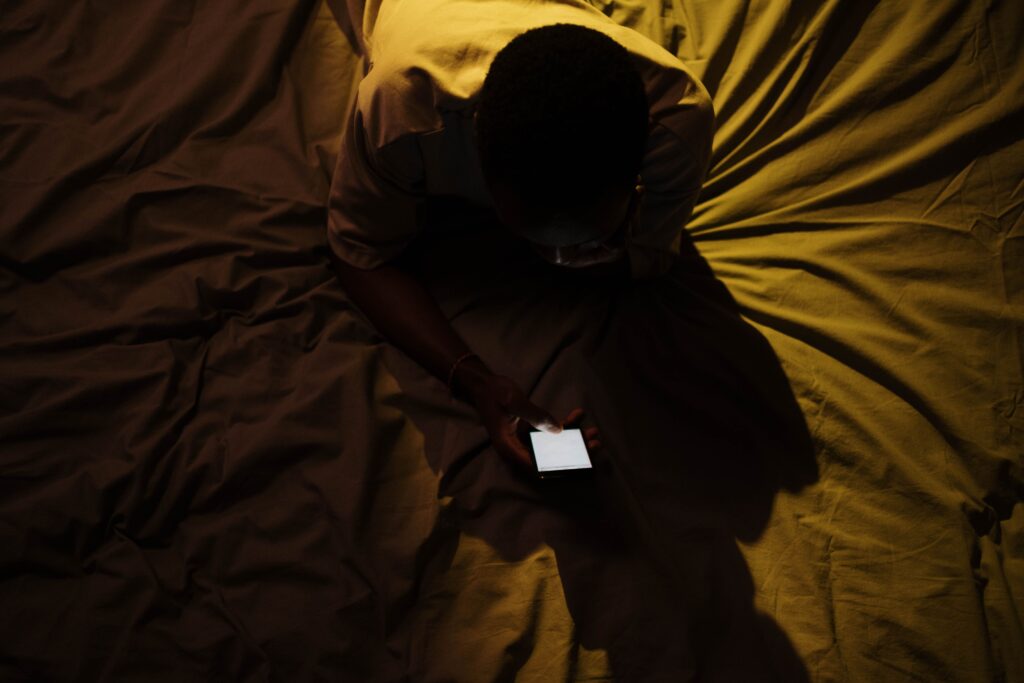


Love is often perceived as a universal experience. However, more than an immutable essence, it is a situated practice that attends to how each culture, context, and historical moment sees it. The streaming series and movies we consume until February 14 present and promote romantic love as an ideal in our emotional bonds.
“Romantic love” (or “Disney love,” as some authors call it) has historically been sustained through myths that shape our expectations of how we expect to receive affection. Some examples are the myth of the better half, the idea that jealousy is a sign of love, or the belief that love hurts. The internalization of these narratives leads us, in many cases, to be unresponsive to the abuse or violence we experience in our relationships, seeing them as signs of affection.
This asymmetrical configuration of love spreads the belief that some bonds are more valuable than others in a hierarchy for the distribution of time, affection, and care. However, thinking that one person is responsible for all our socio-emotional needs is unfair. Theories, such as mutual support, remind us of our inherent tendency to live together and our interdependence as human beings: No one stands alone; everything is built in community.
Betting on companion love abandons these pre-fabricated expectations in favor of genuine accompaniment. It smashes the hierarchy and horizontalizes our affections: we can also dream of traveling, adopting a dog, or moving in with friends. It means a decision to bond freely in companionship, honoring the freedom to be able to leave and, thus, honoring ourselves. And when we choose a bond, we have mutual affection:
Affection: the practice of attending to the needs that another person manifests to me, lovingly securing their life, and in that accompaniment, also securing my own.
– Collective definition of Paola Medina, Rebeca Arámburo, and Diana Ruiz
Building positive relationships at Tecmilenio
The Office of Inclusion and Safe Community at Tecmilenio strives to make human dignity a prime experience in the classrooms and corridors of our campuses. Through training and prevention coordination, we generate spaces that promote healthy relationships free of violence.
With this objective, in collaboration with VIVE, we coordinated the Positive Relations Fair, an event promoted for years by student groups to commemorate February 14. Between February 10 and 14, this year’s fair has a different goal: to rethink how we love and relate to each other, building bonds of caring and kindness. We want to move away from the myths of romantic love to promote affective practices that sustain healthy relationships.
Betting on bonds of companionship is an act of resistance to traditional narratives of love. It allows us to build genuine relationships based on complicity and mutual care. At Tecmilenio, we continue working so that these transcendental reflections become part of our community’s culture.
Romario López
romario.nla@tecmilenio.mx
Office of Inclusion and Safe Community
Tecmilenio