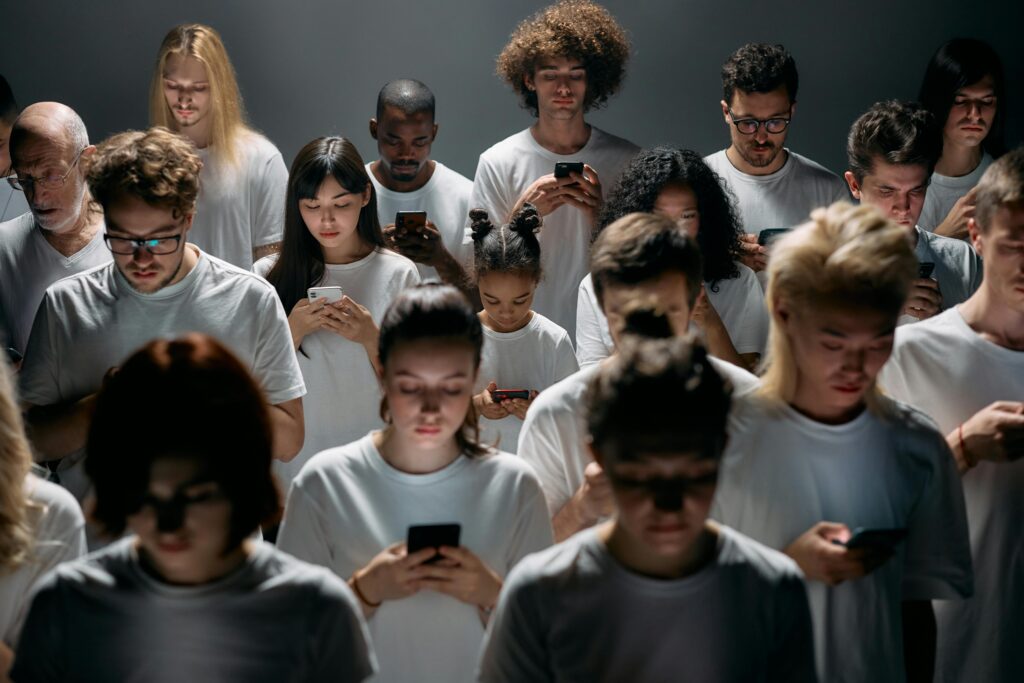

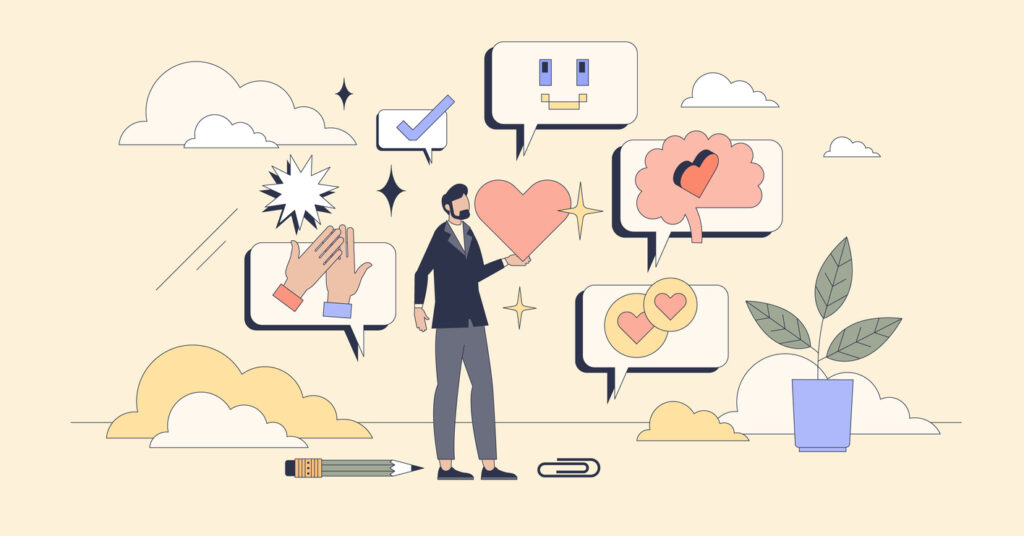
What kind of world would we have if humans only performed perfect tasks but did not listen to each other? And what impact would it have if we learned to consciously feel and process everything that happens around us and understand how it affects us? An exceptional professional would mark the difference, someone who stands out for their ability to understand, connect, and act in line with the criteria of their environment.
According to UNESCO, Social-Emotional Learning (SEL) is a process through which skills are acquired to recognize and manage emotions, develop attention and concern for others, establish positive relationships, make responsible decisions, and deal effectively with complex circumstances. This process incorporates cognitive, social, emotional, and relational aspects of learning to contribute to students’ well-being, academic success, and sense of active global citizenship.
Its significance transcends an individual balance; it implies a collective equilibrium. Methodology plays a fundamental role in transforming education, guiding students to the knowledge, skills, attitudes, and values that translate into social changes. Before benefiting the common good, developing and practicing this balance improves academic performance, boosts mental health, reduces school dropout rates, and promotes satisfactory interpersonal dynamics in schools, communities, and society.
The National University in San Diego, California, recognizes that the classroom is the first environment where students are generally exposed to and learn to coexist with diverse contexts, beliefs, and abilities. SEL helps create equitable conditions in which learners have the same opportunity to succeed, while helping them understand their thoughts and emotions, themselves and others, develop empathy for those around them, and even create plans to achieve their goals.
The most widely used SEL framework was proposed by the Collaborative for Academic, Social, and Emotional Learning (CASEL) in the United States, as a tool to manage stress and emotions, practice empathy, resolve conflicts, and develop social skills.
But this practice is also based on the theory of social learning, which holds that people learn behaviors and competencies through observation, imitation, and interaction. However, SEL broadens its approach by considering how teachers can cultivate emotional intelligence and skills in their students. A structured curriculum with activities that promote these skills guides students to strengthen their personal growth and well-being.
Socio-emotional competencies
Socio-emotional skills promote healthy and mutually supportive interpersonal relationships, but they also support one to understand and effectively express emotions, demonstrate empathy and solidarity towards others, respond appropriately to context, foster an inclusive sense of identity, make ethical decisions, and achieve both personal and collective goals.
Their benefits include reducing school dropout, anguish, anxiety, depression, bullying or harassment, as well as understanding the risks involved in using alcohol and drugs, recognizing and not making insults of a homophobic nature, avoiding sexual violence, and reducing inequalities, discrimination, and social exclusion.
To this end, CASEL establishes five key competencies that can be applied inside and outside the classroom:
- Self-awareness– identifying one’s own emotions and understanding how they influence behavior, recognizing strengths and areas of opportunity to acquire greater confidence in one’s abilities.
- Self-management – taking control and assuming responsibility for one’s thoughts, emotions, and actions in various circumstances, as well as setting goals and consistently working towards them.
- Social awareness – the ability to put yourself in someone else’s shoes, especially those who come from different backgrounds or cultures than your own. It entails empathy and acting ethically within the home, school, and community.
- Relationship Skills– the ability to build and maintain relationships with people from diverse backgrounds, focusing on listening and communicating effectively with others, resolving conflicts peacefully, and knowing when to ask for or offer help.
- Making responsible decisions – choosing how to act or respond in a situation, considering ethical and safety principles, measuring the possible consequences, and considering the well-being of oneself and others.
Moreover, there are six domains of socio-emotional learning involving essential skills for the social and emotional development of students:
- Cognitive– this comprises the student’s basic cognitive competencies to achieve their goals, such as controlling attention, memory management and planning, inhibitory control (self-regulation of impulses), cognitive flexibility, and critical thinking.
- Emotion– encompasses the skills that enable people to recognize, express, and regulate their emotions, such as empathizing with others and conceptualizing their perspective.
- Social– allows one to properly interpret another person’s behavior to navigate social scenarios and interact, whether working collaboratively or living with others. This covers the interpretation of social signals, the resolution of social problems, and cooperative behaviors.
- Values – deals with character traits, virtues, or practices that turn learners into committed members of their community, including morality, performance, intellect, and adoption of civic values.
- Perspective– refers to how the world is interpreted and how someone relates to it. It includes how a person perceives themselves, others, and how they face day-to-day challenges, through optimism, gratitude, open-mindedness, and enthusiasm.
- Identity– is based on an individual’s understanding of themselves, their abilities, knowledge, beliefs, and confidence in their potential. If people have a sense of identity and belonging, they are better prepared to face obstacles and build strong interpersonal relationships, supported by self-esteem and self-awareness.
Similarly, UNESCO shares the document “Mainstreaming social and emotional learning in education systems: policy guide,” in collaboration with UNESCO’s Mahatma Gandhi Institute of Education for Peace and Sustainable Development (MGIEP). This guide proposes incorporating socio-emotional skills into education through activities that support their systematic integration.
Equipping more empathetic professionals
Healthcare is one of the fields where socio-emotional learning can be applied most palpably. While this methodology supports professionals across different fields in carrying out their work more effectively and living in harmony with integral well-being, this is especially evident in health education.
For example, with SEL, healthcare staff can develop the skills needed to build meaningful relationships with their patients and to manage the emotional demands of this job. Even in the United States, the six domains covered by this practice are closely linked to the six competencies required by the Accreditation Council for Graduate Medical Education (ACGME), an accreditation that every doctor must possess.
For holistic treatment, this model facilitates the development of empathy to understand the patient’s perspective and resilience, contributing to increasingly diverse medical services. However, as Wei-Chin Hsu, Lih-Jyh Fuh, and Shih-Chieh Liao warn, technological advances in the industry have improved the quality of medical care but also weakened interpersonal relationships between doctors and patients.
In addition, they explain that in this field, professionals often focus on the theoretical and technological aspects of their work, overlooking the emotional needs of the person in front of them. Even for ethical decisions, since the health experience is an interactive process, there must be a balance between the medical experience and the exercise of humanity, including understanding and compassion towards the patient.
In the face of growing technification, coupled with work overload and communication deficiencies, it is essential to strengthen teamwork, effective communication, the doctor-patient relationship, confidentiality, and self-knowledge.
How teachers can address this
SEL may not necessarily be a subject like math or science, but it can be a cross-curricular topic. Including ways in lessons to help students feel visible will boost their active participation. If these exercises impart empathy, self-knowledge, and a sense of security and inclusion in the classroom, they will leave a lifelong impact.
This methodology utilizes different approaches. The National University notes that some professors dedicate a specific time of day to work on these competencies, reinforcing them continuously through other academic activities.
They also address that some teachers ask students to write down their thoughts and feelings about a particular lesson in a diary, as well as to develop coexistence and mentoring activities among students of different grades, living alongside people of different ages.
Other educators prefer to incorporate SEL into subjects such as mathematics, history, or literature, with tasks such as group projects in which classmates must delegate roles to work more efficiently, represent historical figures to understand their actions and contexts, and even conduct formal interviews with peers to learn about current issues.
But above all, it’s very helpful when teachers support students in setting goals in areas where they want to improve, track their progress for follow-up, and provide a measure that evidences their accomplishments and gives them a sense of satisfaction.
Social-emotional learning accompanies us throughout life. Although it transcends the classroom, the school stage is an initial starting point for each student to discover their emotional intelligence, allowing them to perform better both in the professional field and in their daily lives. Today more than ever, reconnecting with our humanity is one of the most urgent and relevant lessons. What SEL exercises would you apply in the classroom?
Translation by Daniel Wetta